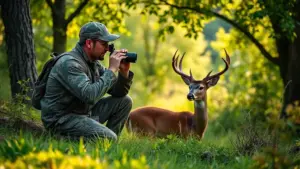
Wildlife management is a critical component of maintaining healthy ecosystems and ensuring the long-term survival of various species. It involves a range of activities, including habitat restoration, population monitoring, and regulated hunting. Effective wildlife management requires a collaborative approach, involving government agencies, conservation organizations, and local communities. By working together, we can develop and implement strategies that benefit both wildlife and people. This collaborative effort ensures that management decisions are informed by the best available science and reflect the needs of all stakeholders.
Community involvement is essential for successful wildlife management. Local communities often have valuable knowledge about the local environment and wildlife populations. Their participation in management decisions can lead to more effective and sustainable outcomes. This involvement can take many forms, from participating in citizen science projects to providing input on management plans. By empowering local communities, we can foster a sense of ownership and responsibility for wildlife conservation. This sense of ownership is crucial for the long-term success of management efforts.
Moreover, wildlife management plays a vital role in preventing overpopulation and disease outbreaks. Regulated hunting can help control populations and maintain a healthy balance within ecosystems. It also provides opportunities for recreation and economic benefits for local communities. By carefully managing wildlife populations, we can minimize conflicts between humans and animals and ensure the health and well-being of both. This proactive approach is essential for maintaining the ecological integrity of our natural resources.