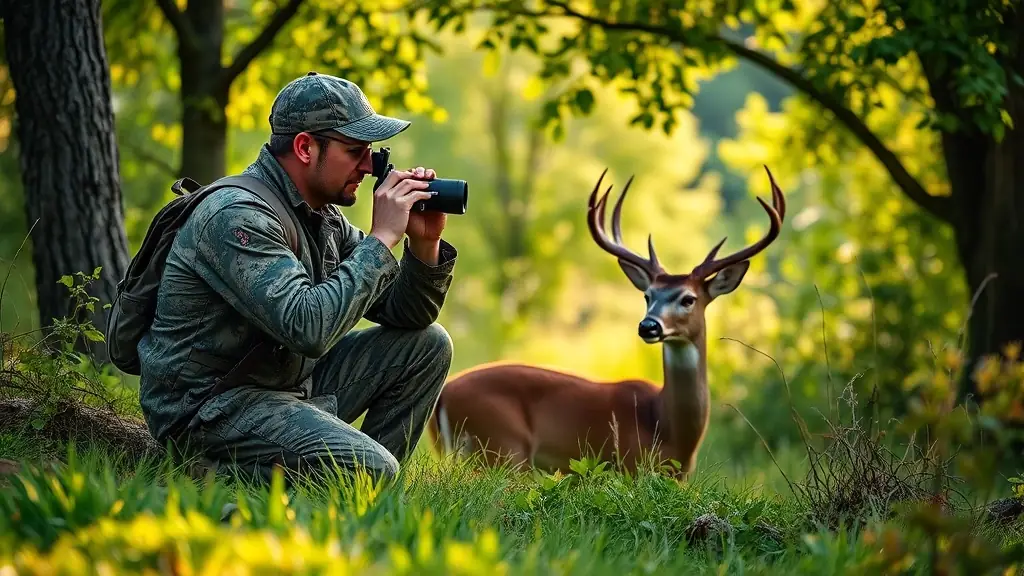
Ethical hunting is more than just following the rules; it’s about respecting the animals we hunt and the land we hunt on. It involves making responsible decisions that prioritize the well-being of wildlife and the preservation of their habitats. By adhering to ethical practices, we contribute to the long-term health of ecosystems. This includes minimizing our impact on the environment and ensuring that hunting activities do not disrupt natural processes. Ethical hunters understand that their actions have consequences and strive to minimize any negative effects on the environment.
One of the key aspects of ethical hunting is fair chase, which means giving the animal a reasonable chance to escape. This involves using appropriate hunting methods and avoiding unfair advantages. It also means respecting the animal’s dignity, even in death. Ethical hunters take pride in their ability to harvest animals in a humane and respectful manner. They understand that hunting is a privilege, not a right, and they act accordingly. This respect extends to the entire hunting experience, from preparation to post-harvest handling.
Furthermore, ethical hunting involves continuous learning and improvement. Hunters should stay informed about wildlife management practices and regulations. They should also seek opportunities to enhance their hunting skills and knowledge. By becoming better hunters, we can reduce the risk of accidents and ensure that we are making informed decisions. Ethical hunting is a commitment to responsible stewardship of our natural resources. It’s about ensuring that future generations can enjoy the same hunting opportunities that we do.